
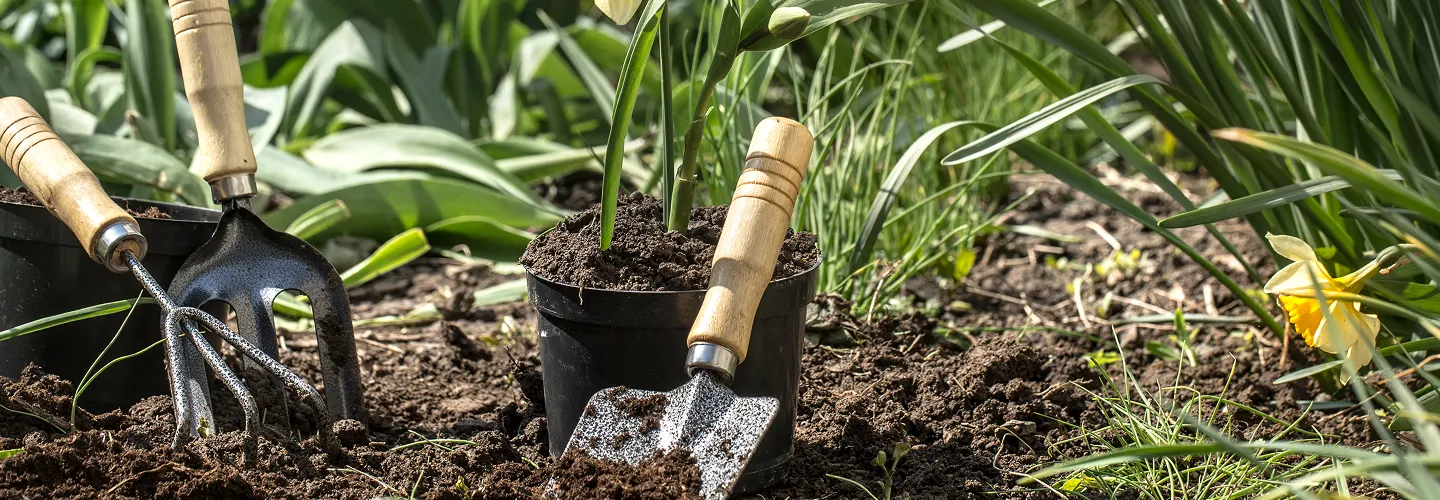
Powder Springs Flower Planting Services
Choose our flower planting services for vibrant, healthy blooms that enhance your curb appeal and thrive all season long—our experienced team selects the best varieties and ensures professional planting for lasting beauty.
Get a Free QuoteOur Powder Springs Landscaping & Yard Care Services
When to Schedule Flower Planting in Powder Springs, Georgia – Seasonal Guide
In Powder Springs, Georgia, the best times for flower planting are typically early spring and early fall. These seasons offer moderate temperatures and consistent rainfall, which help new plantings establish strong root systems before the heat of summer or the chill of winter sets in. The local climate, characterized by humid summers and mild winters, means that timing your planting around the last frost date—usually in late March—is crucial for optimal growth. Neighborhoods near Silver Comet Trail and Lost Mountain Park often experience microclimates due to varying elevations and tree coverage, so it’s important to consider your specific location when planning.
Local environmental factors such as soil composition, which ranges from sandy loam to clay in areas like Country Walk and Brownsville Road, can impact drainage and nutrient availability. Shade from mature oaks and pines, common in subdivisions like Macland Springs, affects which flower varieties will thrive. Additionally, Powder Springs occasionally faces drought advisories and municipal watering restrictions, so staying informed through resources like the official town website is recommended for up-to-date guidance.
Local Factors to Consider for Flower Planting in Powder Springs
- Proximity to mature trees and resulting shade coverage
- Soil type and drainage, especially in clay-heavy areas
- Average precipitation and risk of drought
- Frost dates and seasonal temperature swings
- Terrain slope and potential for water runoff
- Local municipal restrictions on watering or planting
Benefits of Flower Planting in Powder Springs
Expert Local Knowledge
Customized Landscape Designs
Seasonal Plant Selection
Enhanced Curb Appeal
Eco-Friendly Practices
Reliable Maintenance Services
Powder Springs Flower Planting Types

Annual Flower Planting
-
Perennial Flower Beds
-
Native Wildflower Gardens
-
Seasonal Color Rotations
-
Pollinator-Friendly Plantings
-
Shade Garden Flowers
-
Drought-Tolerant Flower Selections
Our Flower Planting Process
Site Evaluation
Soil Preparation
Plant Selection
Careful Planting
Watering and Mulching
Why Choose Powder Springs Landscape Services
Powder Springs Homeowners Trust Us
-
Expert Lawn Maintenance
-
Reliable Scheduling
-
Competitive Pricing
-
Professional Team
-
Satisfaction Guarantee
-
Personalized Service
-
Locally Owned and Operated
Powder Springs Red Clay Soils and Bed Preparation for Flower Planting
Powder Springs sits within Georgia's Piedmont region, where soils are predominantly Cecil and Appling series red clay Ultisols — dense, acidic, and prone to compaction. According to the USDA Web Soil Survey, these soils typically have a pH ranging from 5.0 to 6.0 and limited drainage capacity, which directly affects flower bed establishment. Before planting, property owners should:
- Conduct a soil test through UGA Cooperative Extension to determine pH and nutrient levels
- Amend beds with 3–4 inches of compost worked 8–10 inches deep to improve drainage and aeration
- Avoid tilling during wet conditions, which worsens compaction in clay-heavy profiles
- Apply lime if pH falls below 5.5, as most flowering annuals and perennials perform best between 6.0 and 6.8
Powder Springs falls within USDA Hardiness Zone 7b, meaning winter lows typically reach 5–10°F. Soil preparation completed in early spring — once soil temperatures consistently exceed 50°F — supports optimal root establishment for warm-season flowering plants.
Optimal Flower Planting Windows for Powder Springs's Long Growing Season
Powder Springs benefits from a relatively long warm-season growing window, with the last average frost typically occurring in late March and the first fall frost arriving in mid-to-late November. This provides approximately 230–240 frost-free days annually, according to data from the National Weather Service Peachtree City forecast office. Residents and property managers should observe the following seasonal planting guidance:
- Spring annuals (petunias, marigolds, zinnias, impatiens): transplant outdoors after April 1, once nighttime temperatures remain above 45°F
- Summer perennials (coneflowers, black-eyed Susans, daylilies): establish best when planted between mid-April and late May
- Fall color plantings (pansies, ornamental kale, snapdragons): install from late September through October for winter interest
- Bulb planting (tulips, daffodils): plant in November after soil temperatures drop below 50°F
Avoid planting heat-sensitive species during July and August peak heat periods, when daytime temperatures regularly exceed 90°F and humidity accelerates transplant stress. Watering newly installed plants every 1–2 days for the first two weeks is standard practice during warm-season establishment.
Protecting Powder Springs Stormwater Corridors During Flower Bed Installation
Powder Springs contains several drainage corridors and stormwater infrastructure managed by the Powder Springs Public Works Department. Flower bed installation near drainage swales, detention ponds, or creek-adjacent lots — including areas near Powder Springs Creek and its tributaries — requires careful management of soil disturbance and runoff. The Georgia EPD Watershed Protection Branch establishes water quality standards that apply to residential and commercial land disturbance activities under the Clean Water Act.
Practical precautions during flower planting near drainage features include:
- Avoid disturbing soil within 25 feet of any drainage swale, creek bank, or stormwater inlet
- Use silt fencing or straw wattles during bed excavation on sloped lots
- Do not allow fertilizer, mulch, or soil amendments to wash directly into storm drains
- Confirm whether your property falls within a regulated buffer zone through the Powder Springs Community Development Department
Powder Springs Public Works Department
4484 Marietta Street, Powder Springs, GA 30127
Phone: (770) 943-1666
Official Website: Powder Springs Public Works Department
Selecting Heat- and Humidity-Tolerant Flowering Plants for Powder Springs Landscapes
Powder Springs's summer climate — characterized by high humidity, sustained heat above 90°F from June through August, and periodic drought stress — demands careful plant selection for long-term bed performance. UGA Cooperative Extension recommends prioritizing species with demonstrated heat tolerance and moderate drought resistance for Metro Atlanta Piedmont conditions. Suitable options for Powder Springs beds include:
- Full sun annuals: Lantana, vinca (Catharanthus roseus), portulaca, celosia, and gomphrena
- Partial shade annuals: Impatiens (downy mildew-resistant varieties), begonias, and torenia
- Native perennials: Purple coneflower (Echinacea purpurea), black-eyed Susan (Rudbeckia hirta), and native phlox — all adapted to Piedmont clay soils
- Avoid: Delicate cool-season species such as lobelia and stock during summer months, as they decline rapidly in sustained heat
Property owners should also consult UGA Extension's Invasive Species guidance before selecting ornamental plants, as several commonly sold flowering species — including certain varieties of wisteria and lantana — are flagged as potentially invasive in Georgia's natural areas.
Georgia Fertilizer Standards Applicable to Powder Springs Flower Bed Maintenance
Fertilizer applications in residential and commercial flower beds in Powder Springs are subject to the Georgia Fertilizer Act of 1997, administered by the Georgia Department of Agriculture - Fertilizer program. This act governs labeling, nutrient content standards, and commercial distribution of fertilizer products used in Georgia. For property owners and professional gardeners, the following practices align with both state standards and local stormwater protection goals:
- Apply slow-release granular fertilizers (nitrogen content 30–50% slow-release) to reduce leaching through Powder Springs's clay soils
- Avoid fertilizer applications within 10 feet of any storm drain inlet, drainage ditch, or water feature
- Do not apply fertilizer before a forecasted rain event of 0.5 inches or more within 24 hours
- Follow soil test recommendations from UGA Extension rather than applying standard rates without testing
Excess phosphorus and nitrogen runoff from improperly managed flower beds can contribute to water quality degradation in local drainage corridors monitored under Georgia Water Quality Standards.
Georgia Department of Agriculture
19 Martin Luther King Jr. Drive SW, Atlanta, GA 30334
Phone: (404) 656-3600
Official Website: Georgia Department of Agriculture - Fertilizer
What Neighborhoods Do We Serve Throughout Powder Springs, GA?
Flower planting services are provided across Powder Springs's diverse residential and mixed-use neighborhoods, each presenting distinct soil, drainage, and site conditions:
- Lost Mountain: Established subdivision lots with mature tree canopy creating significant shade variation; partial-shade tolerant species such as begonias and torenia perform well in filtered-light beds.
- Powder Springs Historic Downtown Area: Older lots with compacted urban soils and limited bed depth; soil amendment and raised bed approaches are often necessary before planting.
- Kemp Mill Estates: Newer development with fill soils that drain inconsistently; drainage assessment before bed installation is recommended to prevent waterlogging of root zones.
- Brownsville Road Corridor: Mixed residential properties with sloped lots adjacent to drainage swales; erosion control measures during bed preparation are particularly important in this area.
- Macland Road Subdivisions: HOA-governed communities where frontage bed maintenance standards may apply; residents should verify planting guidelines with their association before installing new beds.
- Powder Springs Park Vicinity: Lots near city park greenspace with higher wildlife pressure from deer; deer-resistant species such as lantana, salvia, and ornamental grasses are advisable for exposed beds.
Powder Springs Parks, Recreation & Cultural Affairs
4484 Marietta Street, Powder Springs, GA 30127
Phone: (770) 943-1666
Official Website: Powder Springs Parks, Recreation & Cultural Affairs