
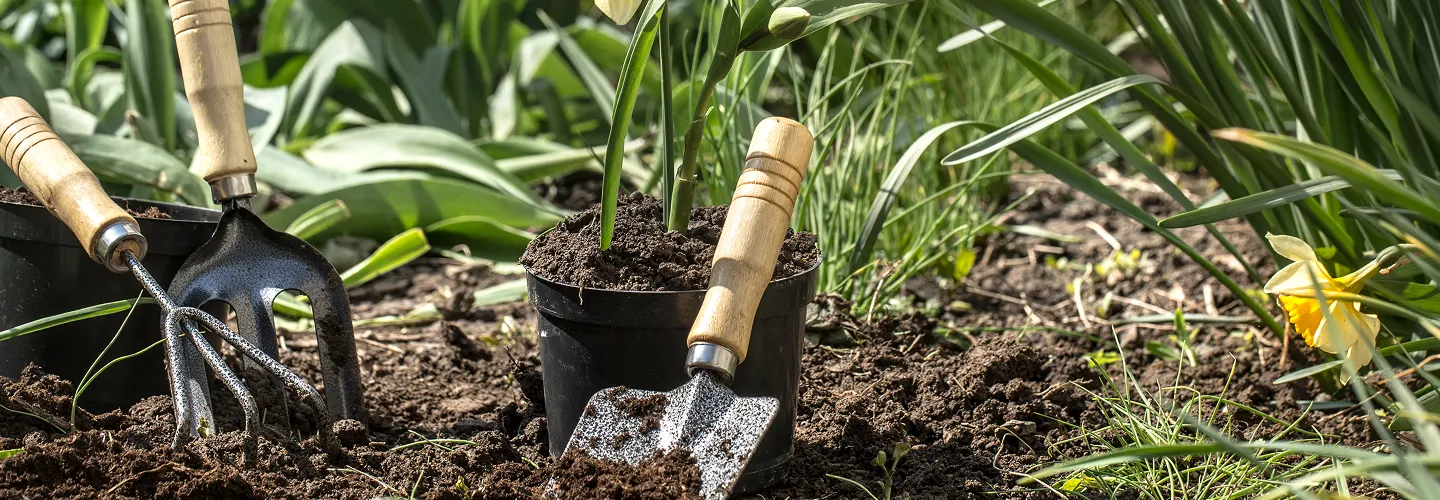
Powder Springs Plant Removal Services
Choose our plant removal services for expert care, fast turnaround, and a commitment to leaving your landscape clean and ready for your next project. We handle every job with professionalism and attention to detail, ensuring your satisfaction from start to finish.
Get a Free QuoteOur Powder Springs Landscaping & Yard Care Services
When to Schedule Plant Removal in Powder Springs, Georgia – Seasonal Guide
In Powder Springs, Georgia, timing your plant removal project is crucial for both the health of your landscape and the efficiency of the process. The region’s humid subtropical climate means that late winter through early spring is often the best window for plant removal, as most vegetation is dormant and the risk of regrowth is minimized. This period also avoids the peak summer heat and humidity, which can make removal more challenging and potentially stressful for your soil and remaining plants.
Local factors such as the average last frost date—typically in late March—should be considered, especially in neighborhoods like Lost Mountain or near the Silver Comet Trail, where microclimates can affect soil moisture and plant growth cycles. Areas with dense shade coverage or clay-heavy soils, common in subdivisions off Brownsville Road, may require special attention to root systems and drainage. Additionally, be mindful of municipal guidelines and seasonal restrictions, which can be found on the official city website, to ensure compliance with local ordinances.
Local Factors to Consider for Plant Removal in Powder Springs
- Tree and shrub density in your yard
- Terrain slope and accessibility
- Average precipitation and recent rainfall
- Proximity to protected green spaces or water features
- Municipal restrictions or permit requirements
- Soil type (clay, loam, or sandy)
- Risk of drought or excessive humidity
- Shade coverage from mature trees
Benefits of Plant Removal in Powder Springs
Enhanced Curb Appeal
Improved Lawn Health
Prevention of Pest Infestations
Increased Usable Space
Reduced Maintenance Needs
Professional and Safe Removal
Powder Springs Plant Removal Types

Tree Removal
-
Shrub Removal
-
Stump Grinding
-
Invasive Species Removal
-
Root System Extraction
-
Hedge Removal
-
Overgrown Vegetation Clearing
Our Plant Removal Process
Site Evaluation
Preparation and Safety Measures
Plant Extraction
Debris Removal
Site Restoration
Why Choose Powder Springs Landscape Services
Powder Springs Homeowners Trust Us
-
Expert Lawn Maintenance
-
Reliable Scheduling
-
Competitive Pricing
-
Professional Team
-
Satisfaction Guarantee
-
Personalized Service
-
Locally Owned and Operated
Invasive and Nuisance Plant Removal Under Powder Springs's Tree and Vegetation Ordinance
Plant removal in Powder Springs is governed by local ordinance and coordinated through the city's urban forestry and community development framework. The Powder Springs Tree Removal program establishes permit requirements and preservation standards that may apply when removing woody plants, shrubs, or established vegetation on residential and commercial properties. Property owners should determine whether a removal project triggers review before proceeding, particularly when the work involves:
- Woody shrubs or trees exceeding size thresholds defined in city code
- Vegetation within or adjacent to drainage easements or right-of-way corridors
- Removal on lots undergoing active development or grading
- Plants located near protected stream buffers along Powder Springs Creek or its tributaries
Confirm current permit thresholds and review requirements directly with the Powder Springs Community Development Department prior to initiating removal work.
Powder Springs Community Development Department
4484 Marietta Street, Powder Springs, GA 30127
Phone: (770) 943-1666
Official Website: Powder Springs Community Development Department
Piedmont Red Clay Soils in Powder Springs and Root Extraction Challenges
Powder Springs lies within Georgia's Piedmont region and is classified in USDA Hardiness Zone 7b. Soils in this area are predominantly Cecil and Appling series — dense, red clay-based Ultisols with low permeability and high compaction potential. These conditions create significant challenges for plant removal, particularly when extracting deep-rooted shrubs, ornamental trees, or invasive species such as Chinese privet (Ligustrum sinense) or kudzu. Key site considerations include:
- Root systems in compacted clay may extend 18–36 inches or deeper, requiring mechanical extraction rather than hand-pulling
- Disturbed clay soils are highly susceptible to erosion following removal, especially on sloped lots
- Soil pH in Powder Springs typically ranges from 5.0 to 6.0, which can influence regrowth potential of certain invasive species
- Post-removal stabilization with mulch, erosion fabric, or ground cover is strongly recommended
Consult the USDA Web Soil Survey for site-specific soil data before planning large-scale removal projects.
Protecting Powder Springs Creek Corridors During Plant Removal Operations
Powder Springs Creek and its associated tributaries run through multiple residential and mixed-use areas of the city, creating regulated stream buffer zones that directly affect plant removal activities. Under Georgia's Erosion and Sedimentation Act and local land disturbance standards, vegetation removal within 25 feet of a state waters buffer — and in some cases up to 50 feet — may require a Land Disturbance Permit. The Georgia EPD Watershed Protection Branch oversees state-level buffer compliance, while local review is administered through Powder Springs's permitting office. Practical precautions for creek-adjacent removal include:
- Avoid removing stabilizing vegetation on stream banks without erosion control measures in place
- Install silt fencing or sediment barriers before clearing begins on sloped lots draining toward waterways
- Do not dispose of removed plant material in or near drainage channels, ditches, or stormwater inlets
- Verify buffer boundaries with the city before removing vegetation near any identified waterway
Powder Springs Land Disturbance Permitting
4484 Marietta Street, Powder Springs, GA 30127
Phone: (770) 943-1666
Official Website: Powder Springs Land Disturbance Permitting
Seasonal Timing for Plant Removal in Powder Springs's Warm-Season Climate
Timing plant removal appropriately in Powder Springs reduces regrowth risk, minimizes erosion exposure, and improves the effectiveness of follow-up treatments. The city's warm, humid summers — with average high temperatures exceeding 90°F from June through August — accelerate regrowth of invasive species if removal is not timed correctly. Guidance from UGA Cooperative Extension recommends the following seasonal approach:
- Late winter (February–March): Optimal for removing dormant invasive shrubs such as privet, autumn olive, and multiflora rose before spring leaf-out; root systems are more visible and regrowth is slower
- Late fall (November–December): Effective for removing cool-season weedy plants and reducing seed bank pressure before winter dormancy
- Summer removal: Feasible but requires immediate follow-up treatment to prevent rapid resprouting from established root crowns
- Avoid removal during heavy rain periods: Bare soil left after removal is highly vulnerable to runoff and erosion on Powder Springs's clay-heavy lots
Review UGA Extension's Invasive Species resources for species-specific removal timing guidance applicable to the Georgia Piedmont.
Debris Disposal and Public Works Coordination After Plant Removal in Powder Springs
Following plant removal, proper disposal of cut material, root masses, and vegetative debris is required to maintain compliance with city sanitation and right-of-way standards. The Powder Springs Public Works Department oversees sanitation, stormwater infrastructure, and right-of-way maintenance, all of which are directly relevant to post-removal debris handling. Property owners and contractors should observe the following disposal protocols:
- Brush and woody debris must not be placed in storm drains, drainage ditches, or street gutters
- Bundled brush for curbside collection should be cut to manageable lengths — verify current size and weight limits with Public Works, as requirements may be updated seasonally
- Large volumes of root material and soil-laden debris may require private hauling to an approved green waste facility
- Invasive species with viable seed heads — such as Japanese honeysuckle or privet — should be bagged separately to prevent reseeding during transport
Powder Springs Public Works Department
4484 Marietta Street, Powder Springs, GA 30127
Phone: (770) 943-1666
Official Website: Powder Springs Public Works Department
What Neighborhoods Do We Serve Throughout Powder Springs, GA?
Plant removal needs vary considerably across Powder Springs's residential and mixed-use neighborhoods, reflecting differences in lot age, canopy density, drainage patterns, and proximity to natural corridors.
- Lost Mountain area: Larger wooded lots with mature tree canopy and significant understory pressure from invasive privet and English ivy; root extraction in compacted red clay is common.
- Powder Springs Historic District: Older established lots with dense ornamental plantings and limited equipment access; removal work requires careful coordination to avoid disturbing adjacent structures or utilities.
- Kemp Road corridor: Newer subdivisions with fill soils and active drainage easements; post-removal erosion control is a priority given grading history.
- Powder Springs Creek neighborhoods: Properties adjacent to creek tributaries face buffer zone restrictions that limit removal scope and require Land Disturbance Permit review.
- Brownsville Road area: Mixed residential lots with moderate slopes and wooded rear yards; invasive vine pressure from kudzu and wisteria is common along fence lines and woodland edges.
- Macland Road subdivisions: HOA-governed communities where removal of overgrown ornamentals and nuisance shrubs along frontages and common-area borders is frequently required.